


Innovative Building Solutions from Expert Engineers

The construction industry is undergoing a significant transformation, driven by advancements in technology and innovative engineering solutions. As urbanization accelerates and the demand for sustainable buildings rises, expert engineers are stepping up to the challenge, creating structures that are not only functional but also environmentally friendly. This blog post explores some of the most innovative building solutions that are shaping the future of construction.
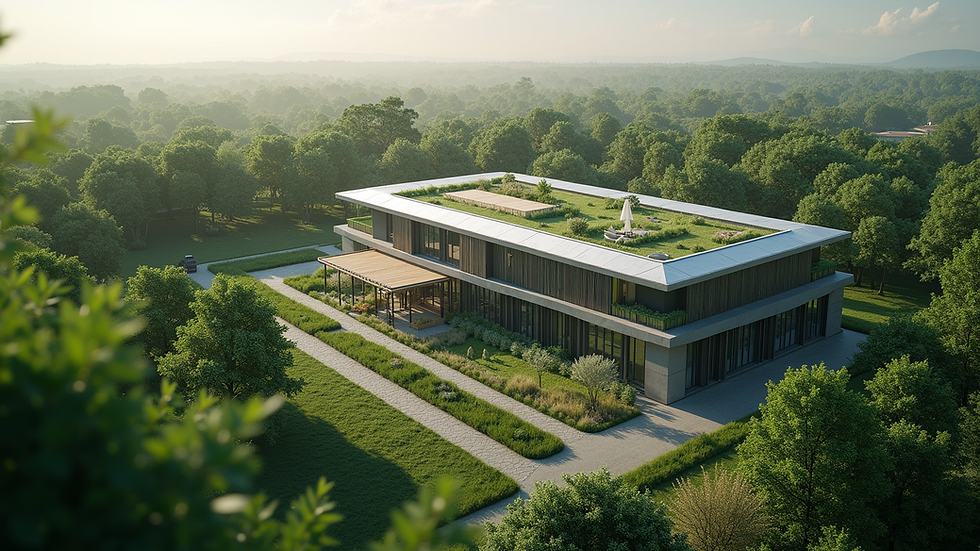
The Rise of Sustainable Architecture
Sustainable architecture is no longer just a trend; it has become a necessity. With climate change posing a serious threat to our planet, engineers are focusing on creating buildings that minimize environmental impact. Here are some key aspects of sustainable architecture:
Energy Efficiency
Buildings consume a significant amount of energy, but innovative engineering solutions are helping to reduce this consumption. Techniques such as:
Passive solar design: Utilizing natural sunlight to heat and light buildings.
High-performance insulation: Reducing heat loss in winter and keeping buildings cool in summer.
Energy-efficient windows: Using double or triple glazing to minimize heat transfer.
These methods not only lower energy bills but also contribute to a smaller carbon footprint.
Green Materials
The choice of materials plays a crucial role in sustainable building. Engineers are increasingly opting for:
Recycled materials: Using reclaimed wood, metal, and glass to reduce waste.
Sustainable resources: Materials like bamboo and cork, which are renewable and have a lower environmental impact.
Low-VOC paints and finishes: Reducing indoor air pollution and improving air quality.
By selecting eco-friendly materials, engineers can create healthier living environments while also protecting natural resources.
Smart Building Technologies
The integration of smart technologies in building design is revolutionizing how we interact with our spaces. These technologies enhance efficiency, security, and comfort. Some notable innovations include:
Building Management Systems (BMS)
A BMS allows for centralized control of a building's systems, including heating, ventilation, air conditioning (HVAC), lighting, and security. This leads to:
Improved energy management: Monitoring and optimizing energy use in real-time.
Enhanced comfort: Adjusting temperature and lighting based on occupancy and preferences.
Predictive maintenance: Identifying potential issues before they become costly repairs.
Internet of Things (IoT)
IoT devices are becoming commonplace in modern buildings. These devices can communicate with each other and provide valuable data. Examples include:
Smart thermostats: Learning user behavior to optimize heating and cooling.
Smart lighting: Adjusting brightness based on natural light levels and occupancy.
Security systems: Using cameras and sensors to enhance safety and monitor activity.
By leveraging IoT, engineers can create buildings that are not only more efficient but also more responsive to the needs of their occupants.
Modular and Prefabricated Construction
Modular construction is gaining popularity as a way to streamline the building process. This method involves constructing sections of a building off-site and then assembling them on location. Benefits of modular construction include:
Speed of Construction
Building modules can be constructed simultaneously with site preparation, significantly reducing the overall construction timeline. This approach can lead to:
Faster project completion: Projects can be finished in weeks rather than months.
Reduced labor costs: Less time on-site means lower labor expenses.
Quality Control
Since modules are built in a controlled factory environment, quality control is easier to maintain. This results in:
Consistent quality: Reducing the likelihood of defects and ensuring high standards.
Less waste: Efficient use of materials leads to less scrap and waste on-site.
Biophilic Design
Biophilic design focuses on creating a connection between people and nature within built environments. This approach has been shown to improve well-being and productivity. Key elements of biophilic design include:
Natural Light
Maximizing natural light in buildings can enhance mood and reduce energy consumption. Techniques include:
Large windows: Allowing ample sunlight to enter spaces.
Skylights: Bringing light into interior areas that may not have direct access to windows.
Green Spaces
Incorporating greenery into building design can create a calming atmosphere. Examples include:
Indoor gardens: Providing a natural element within the building.
Green roofs: Offering insulation and reducing stormwater runoff while creating usable outdoor spaces.
Innovative Structural Solutions
Engineers are continually developing new structural solutions that enhance the safety and durability of buildings. Some notable innovations include:
Advanced Materials
The use of advanced materials can improve the strength and longevity of structures. Examples include:
Carbon fiber: Lightweight and incredibly strong, ideal for reinforcing structures.
Self-healing concrete: Contains bacteria that can repair cracks autonomously.
Seismic Design
In earthquake-prone areas, innovative seismic design is crucial. Techniques include:
Base isolation: Allowing buildings to move independently of ground motion.
Damping systems: Reducing vibrations and forces during seismic events.
Conclusion
The future of building solutions lies in the hands of expert engineers who are committed to creating sustainable, efficient, and innovative structures. By embracing new technologies, materials, and design philosophies, they are not only addressing the challenges of today but also paving the way for a better tomorrow. As we continue to explore these innovative building solutions, it is essential for stakeholders in the construction industry to stay informed and adapt to these changes. The journey towards a more sustainable and efficient built environment is just beginning, and every step counts.
As you consider your next construction project, think about how these innovative solutions can be integrated to create a building that is not only functional but also a positive contributor to the environment.
Comments